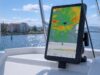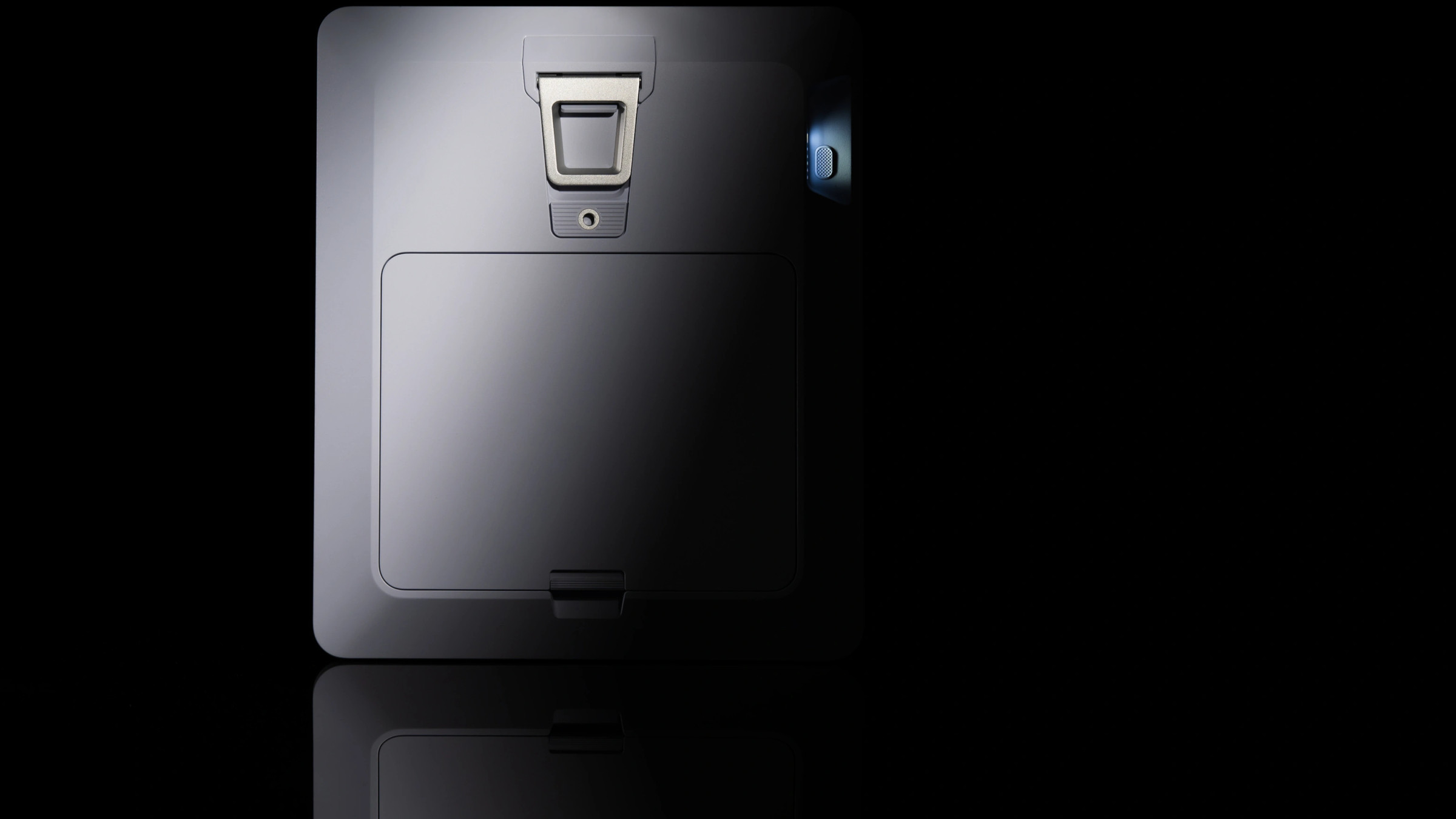
Starlink Mini 2 is a thinner portable terminal with a built-in 71 Wh battery that, Starlink says, keeps you online for up to 4.5 hours on a single charge. You can also plug it in over USB-C, or swap in a spare pack and keep going. Here’s what’s new, and what it means on a boat.
Starlink unveiled the kit on 10 November 2026, calling it “the next-generation portable Starlink.” Preorders are now open by invitation for select customers in the United States, and Starlink says Mini 2 is coming soon to more customers and countries. It has not published a public hardware price, a UK price or a wider release date.
What Starlink Mini 2 offers
The headline change is power. Mini 2 comes with a removable 71 Wh quick-swap battery, and Starlink says you get up to 4.5 hours of connectivity on a single charge. You can stay online while the battery charges, or, alternatively, swap in a spare Mini 2 battery, which Starlink sells separately. The pack itself weighs 490 g, and it can also send out up to 60 W over USB-C, so the same battery can top up a laptop or a phone.
If you would rather plug in, Mini 2 charges over USB-C at 60 W. In the box, Starlink includes the terminal, the battery, a kickstand, a 60 W USB-C charger and a 3 m USB-C to USB-C cable.
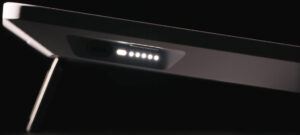
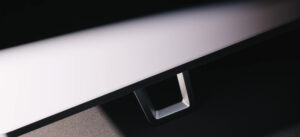
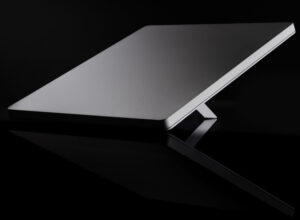
Despite the battery, the enclosure is thinner than the original Mini. Starlink lists Mini 2 at 263 × 314 × 23.1 mm and 1.6 kg with the battery and kickstand. The original Mini, on Starlink’s specification sheet, is 298.5 × 259 × 38.5 mm and 1.16 kg with its kickstand, and it has no battery. Both kits still share a 110° field of view and an IP67 rating. Starlink also says Mini 2 uses tougher materials and a redesigned enclosure, and that it built the kit to keep you connected through rain, wind on the water and sand.
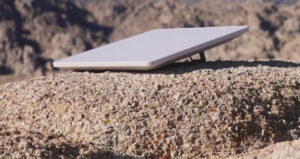
Wi-Fi comes built in, now Wi-Fi 6 with official coverage of up to 167 m² (1,800 sq ft), up from Wi-Fi 5 and 112 m² (1,200 sq ft) on Mini 1. Starlink says that, with a clear view of the sky, you can get online in about 60 seconds. For mounting, Mini 2 has a fold-out kickstand and a standard 1/4-20 tripod thread.
Starlink’s Mini 2 comparison table also marks “Mobile use” as yes for both Mini 2 and Mini 1. The new kit’s power row is “Battery or USB-C”; the original Mini is “DC Power Cable.” Starlink has not published an average or peak power draw, an operating temperature, a speed figure or a native 12–48 V DC input for Mini 2. Starlink officially rates the original Mini at 25–40 W average, with a 12–48 V, 60 W input.
Invited US preorders include the first year of service, though Starlink does not name the plan.
Our take: power, plans and life on a boat
The battery is the change that matters most on board. In our use of a Mini 1 with a third-party battery in the power path, that battery shields you from the dish’s short wattage peaks. Starlink rates the original Mini at an average of 25–40 W, with a 12–48 V input and a 60 W maximum. In our use, the Mini 1 drew 45–48 W at peak, while the average sat between 17 and 24 W. As a result, with the battery buffering those peaks, it ran fine from a 25 W AC-to-DC adapter. That also makes the AC-to-DC conversion more efficient, because most adapters work best at about 80–95% of their maximum load.
Starlink has not published an average or peak figure for Mini 2. It does, however, give the new kit that official 71 Wh pack and USB-C charging at 60 W, and it says you can stay online while the battery charges. So the official battery sits in the same place in the power path as the third-party pack we use on Mini 1. On a boat, a 12 or 24 V supply feeding a USB-C PD charger that can deliver 60 W can keep the pack topped up, while the battery covers the peaks. Our 25 W adapter result is from the Mini 1, not a Mini 2 specification.
Mounting, meanwhile, is simpler than a fixed maritime dish: you get a kickstand and a standard camera-tripod thread. Starlink has not listed a dedicated marine mount for Mini 2, and you still need a clear view of the sky.
Alternatives
If you already have a Mini 1, it remains the kit Starlink still sells with a native 12–48 V DC input and no battery of its own. For a permanent install on a boat that spends time offshore, Starlink still points owners to its Performance hardware and Maritime or Global Priority service, which it designs for ocean use.
Source: Starlink, Introducing Mini 2 (X post, 10 November 2026), the Starlink Mini 2 product page, the official Mini specification sheet, Starlink Roam, Starlink Boating, Starlink Maritime, What Starlink Service Plans and Hardware Support In-Motion Use? and How to install Starlink on boats.